A Procurement Manager’s Guide to Sourcing Aramid Fiber Fabric
Aramid fiber fabric is renowned in the realm of composite materials for its outstanding strength-to-weight ratio and remarkable resistance to extreme temperatures and chemicals. In recent years, its usage has surged across industries such as aerospace, automotive, and personal protective equipment, experiencing an annual growth rate exceeding 8%. For procurement specialists and sourcing managers, understanding how to effectively evaluate suppliers and navigate the complexities of aramid fiber fabric sourcing is essential. Buy aramid fiber fabric for a deeper understanding of the technical nuances involved.
Key Considerations for Sourcing
- Aramid fiber fabric exhibits tensile strengths as high as 3.6 GPa, making it a top choice for demanding applications.
- The integration of aramid fibers can result in a weight reduction of up to 30%, leading to improved fuel efficiency.
- Meta aramid fibers are particularly suitable for applications requiring high fire resistance, enduring temperatures exceeding 400°C.
- Prioritizing suppliers with ISO 9001 certification ensures adherence to quality and reliability standards.
Unraveling Aramid Fiber Fabric
Characteristics of Aramid Fibers
Aramid fibers, synthetic fibers known for their heat resistance and exceptional strength, are critical in aerospace and defense sectors. Their molecular configuration allows them to achieve tensile strengths up to 3.6 GPa, as verified by ASTM D3039 standards. This strength is coupled with minimal elongation at break, generally under 5%, which maintains dimensional stability under mechanical stress.
- Maximum tensile strength: 3.6 GPa
- Low break elongation: <5%
- Outstanding thermal stability
- Highly resistant to chemical solvents
Varieties of Aramid Fibers
Aramid fibers are primarily categorized into meta aramid and para aramid types. Meta aramid fibers, exemplified by Meta Aramid Felt, are favored for their fire resistance, retaining integrity at temperatures over 400°C. Conversely, para aramid fibers, such as Para Aramid Fabric, are known for their superior tensile strength, ideal for uses in ballistic protection and material reinforcement applications.
| Fiber Type | Tensile Strength (GPa) | Temperature Resistance (°C) |
|---|---|---|
| Meta Aramid | 1.2 | 400+ |
| Para Aramid | 3.6 | 150-200 |
Strategic Applications for Aramid Fiber Fabric
Utilization in Aerospace
In the aerospace sector, the demand for lightweight, high-strength materials makes aramid fibers an indispensable choice. They are used extensively in the construction of aircraft fuselage and wing components, offering up to a 30% reduction in component weight, thus optimizing fuel efficiency and payload capabilities.
Role in the Automotive Industry
The automotive industry capitalizes on aramid fibers for enhancements in vehicle safety and performance, applying them in body panels and structural supports. Their contribution to weight reduction is complemented by their use in friction materials such as brake pads, with Para Aramid Pulp being a common choice for these applications.
Featured Aramid Fiber Products
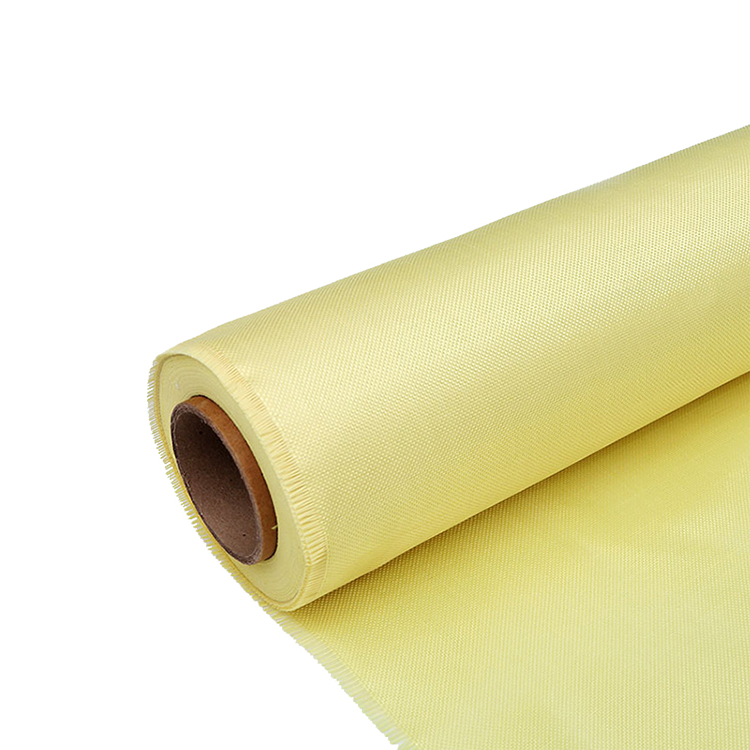
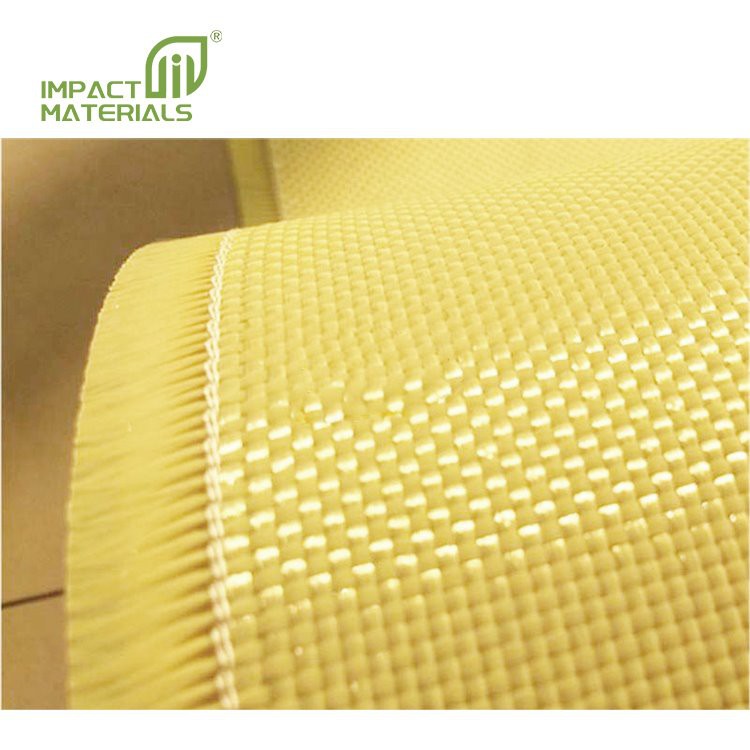
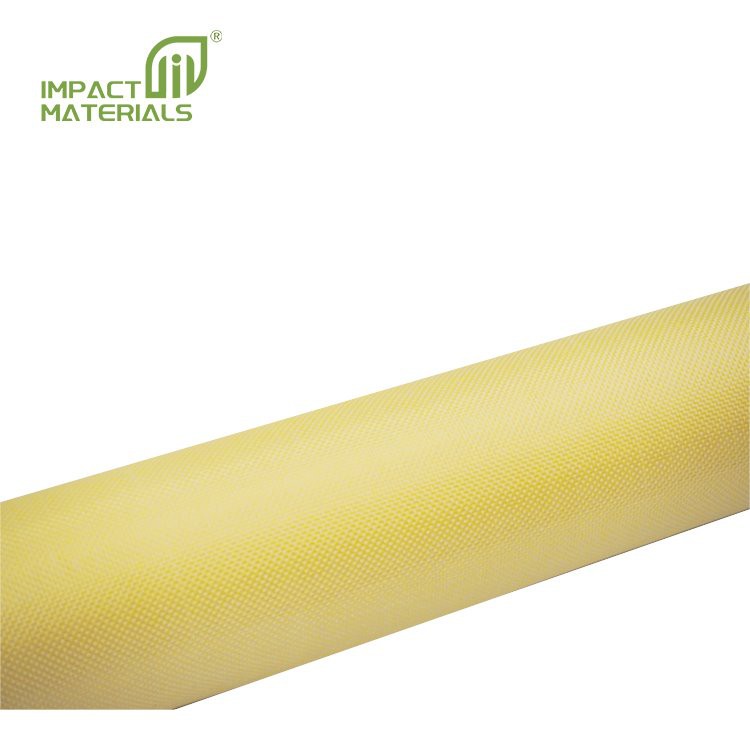
Explore the top selections of aramid fiber fabric available from Impact Materials Co., Ltd., trusted by manufacturers in over 120 countries worldwide.
Ensuring Economic and Performance Benefits
Balancing Cost and Longevity
Aramid fibers’ robustness and durability contribute to extended service life and reduced replacement frequency. Although initial acquisition costs may be higher than conventional materials, the long-term savings through minimized maintenance and enhanced operational efficiency often justify the investment. In contexts where safety is crucial, fire-resistant aramid fabric is especially valued.
Essential Standards and Testing Protocols
Adherence to global standards like ISO 9001 and testing protocols such as ASTM D3039 is imperative for ensuring material consistency and performance reliability. It is advisable to request a Certificate of Analysis from suppliers to verify product conformity. Standards like EN 2566 are crucial for assessing chemical and thermal resistance, especially in extreme operational environments.
Need a custom solution? Our technical experts are ready to help.
Sourcing Aramid Fiber Fabric: Best Practices
Supplier Selection Criteria
When choosing a supplier, it is essential to evaluate their track record and certifications. At Impact Materials, our ISO 9001 certification and successful execution of over 3,200 projects demonstrate our reliability. Prospective buyers should ask about customization options, typical lead times, and minimum order quantities (MOQ), which are generally around 500 meters for standard fabrics.
Logistics and Global Reach
With a service area covering 120+ countries, Impact Materials ensures timely delivery through a robust logistics network. Typical lead times range from 4 to 6 weeks, depending on order specifications and destination. Our one-stop solutions streamline the procurement process from raw materials to finished products.
More Aramid Fiber Fabric Solutions
Discover additional aramid fiber fabric options to meet your specific project requirements.
[[COMPONENT_TABLE_1]]
Ready to Source Quality Composite Materials?
Impact Materials serves 120+ countries with 400+ product specifications. Get your custom quote in 24 hours.
Frequently Asked Questions
Which certifications are essential when sourcing aramid fiber fabric?
It is critical to ensure that suppliers of aramid fiber fabric hold ISO 9001 certification and can provide a Certificate of Analysis for their products. Testing according to ASTM D3039 is also vital to confirm the material’s structural integrity and performance in demanding conditions.
For comprehensive insights and sourcing recommendations, visit Impact Materials for aramid fiber fabric solutions.